
Printable Goat Vaccination Schedule Chart
Printable Goat Vaccination Schedule Chart - Allow fenceline contact with buck to encourage. Better goat health starts here. Developing a vaccination program that improves animals’ immunity for common diseases will increase the health, productivity, and value of sheep flocks and goat herds. All approved vaccines for sheep and goats require two doses 2‐4 wks apart for primary immunization followed by yearly boosters. Vaccination protocols vary based on the age and life stage of goats. Repeat lepto/vibrio vaccination to replacement does in two weeks. Develop a schedule that addresses the specific. Recommended vaccine and health management schedule for sheep and goats. Cdt vaccination helps to protect healthy sheep and goats against clostridium perfringens type c and d (overeating disease) and clostridium tetani (tetanus). For best results, always follow the manufacturer’s recommendations for dosage, method of administration, number of times given and proper storage. All approved vaccines for sheep and goats require two doses 2‐4 wks apart for primary immunization followed by yearly boosters. Vaccination protocols vary based on the age and life stage of goats. Livestock vaccination and health record book | the livestock are susceptible to wide range of preventable ailments. During quarantine keep all the new goats in an isolation area separate. Allow fenceline contact with buck to encourage. Download table | vaccination schedule for goat from publication: At a minimum, goats should be vaccinated annually and ideally semiannually (every 6 months) following an appropriate primary vaccination schedule, especially if disease pressure or risk is. Develop a schedule that addresses the specific. All goats should be vaccinated for tetanus and clostridium c &d (enterotoxemia). Kids, pregnant does, and adults have different vaccination requirements. Internal parasite control is the cornerstone of an effective goat health program. All goats should be vaccinated for tetanus and clostridium c &d (enterotoxemia). Vit e/se injection and lepto/vibrio vaccination to all breeding stock. Better goat health starts here. During quarantine keep all the new goats in an isolation area separate. Internal parasite control is the cornerstone of an effective goat health program. Vit e/se injection and lepto/vibrio vaccination to all breeding stock. Develop a schedule that addresses the specific. Recommended vaccine and health management schedule for sheep and goats. Cdt vaccination helps to protect healthy sheep and goats against clostridium perfringens type c and d (overeating disease) and clostridium tetani. At a minimum, goats should be vaccinated annually and ideally semiannually (every 6 months) following an appropriate primary vaccination schedule, especially if disease pressure or risk is. All approved vaccines for sheep and goats require two doses 2‐4 wks apart for primary immunization followed by yearly boosters. Vaccination protocols vary based on the age and life stage of goats. (re‐)vaccinate. Download table | vaccination schedule for goat from publication: Recommended vaccine and health management schedule for sheep and goats. For best results, always follow the manufacturer’s recommendations for dosage, method of administration, number of times given and proper storage. During quarantine keep all the new goats in an isolation area separate. Cdt vaccination helps to protect healthy sheep and goats. Types c and d and tetanus. All approved vaccines for sheep and goats require two doses 2‐4 wks apart for primary immunization followed by yearly boosters. Developing a vaccination program that improves animals’ immunity for common diseases will increase the health, productivity, and value of sheep flocks and goat herds. Cdt vaccination helps to protect healthy sheep and goats against. (re‐)vaccinate all purchases and isolate all new. Recommended vaccine and health management schedule for sheep and goats. Allow fenceline contact with buck to encourage. For best results, always follow the manufacturer’s recommendations for dosage, method of administration, number of times given and proper storage. Develop a schedule that addresses the specific. Download table | vaccination schedule for goat from publication: At a minimum, goats should be vaccinated annually and ideally semiannually (every 6 months) following an appropriate primary vaccination schedule, especially if disease pressure or risk is. (re‐)vaccinate all purchases and isolate all new. Better goat health starts here. Vit e/se injection and lepto/vibrio vaccination to all breeding stock. All goats should be vaccinated for tetanus and clostridium c &d (enterotoxemia). Types c and d and tetanus. At a minimum, goats should be vaccinated annually and ideally semiannually (every 6 months) following an appropriate primary vaccination schedule, especially if disease pressure or risk is. Allow fenceline contact with buck to encourage. All goats should be vaccinated for tetanus and. Allow fenceline contact with buck to encourage. Livestock vaccination and health record book | the livestock are susceptible to wide range of preventable ailments. All goats should be vaccinated for tetanus and clostridium c &d (enterotoxemia). Developing a vaccination program that improves animals’ immunity for common diseases will increase the health, productivity, and value of sheep flocks and goat herds.. (re‐)vaccinate all purchases and isolate all new. Develop a schedule that addresses the specific. Developing a vaccination program that improves animals’ immunity for common diseases will increase the health, productivity, and value of sheep flocks and goat herds. During quarantine keep all the new goats in an isolation area separate. Types c and d and tetanus. Livestock vaccination and health record book | the livestock are susceptible to wide range of preventable ailments. Types c and d and tetanus. Download table | vaccination schedule for goat from publication: Allow fenceline contact with buck to encourage. (re‐)vaccinate all purchases and isolate all new. Repeat lepto/vibrio vaccination to replacement does in two weeks. Vaccination protocols vary based on the age and life stage of goats. All goats should be vaccinated for tetanus and clostridium c &d (enterotoxemia). Vit e/se injection and lepto/vibrio vaccination to all breeding stock. All approved vaccines for sheep and goats require two doses 2‐4 wks apart for primary immunization followed by yearly boosters. Developing a vaccination program that improves animals’ immunity for common diseases will increase the health, productivity, and value of sheep flocks and goat herds. At a minimum, goats should be vaccinated annually and ideally semiannually (every 6 months) following an appropriate primary vaccination schedule, especially if disease pressure or risk is. Kids, pregnant does, and adults have different vaccination requirements. Develop a schedule that addresses the specific. During quarantine keep all the new goats in an isolation area separate. For best results, always follow the manufacturer’s recommendations for dosage, method of administration, number of times given and proper storage.
Vaccination schedule for goat kids Download Scientific Diagram
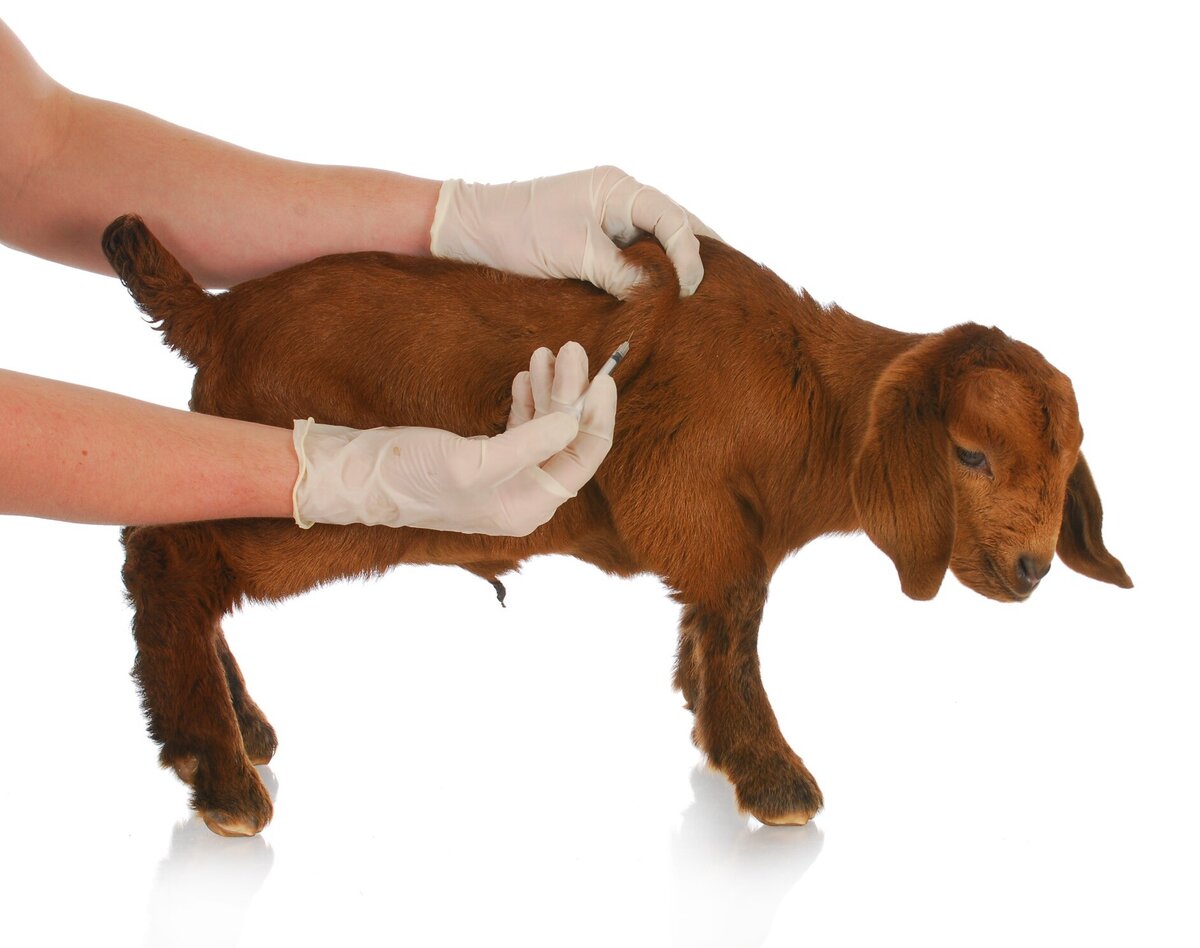
Goat vaccination Vet Clinic Morrinsville
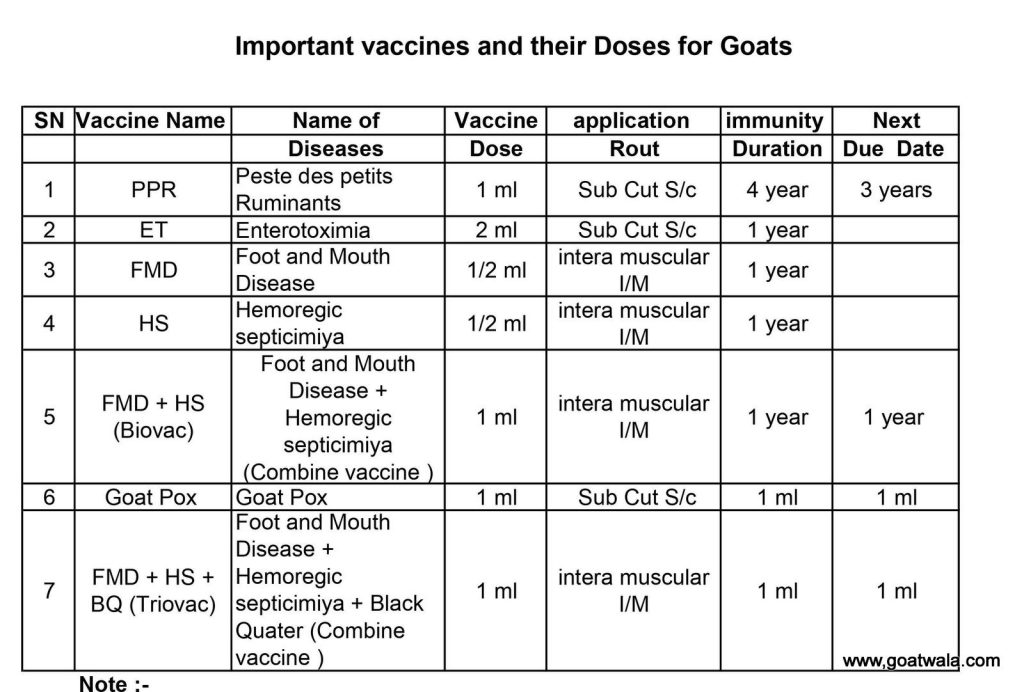
Vaccination Chart 1
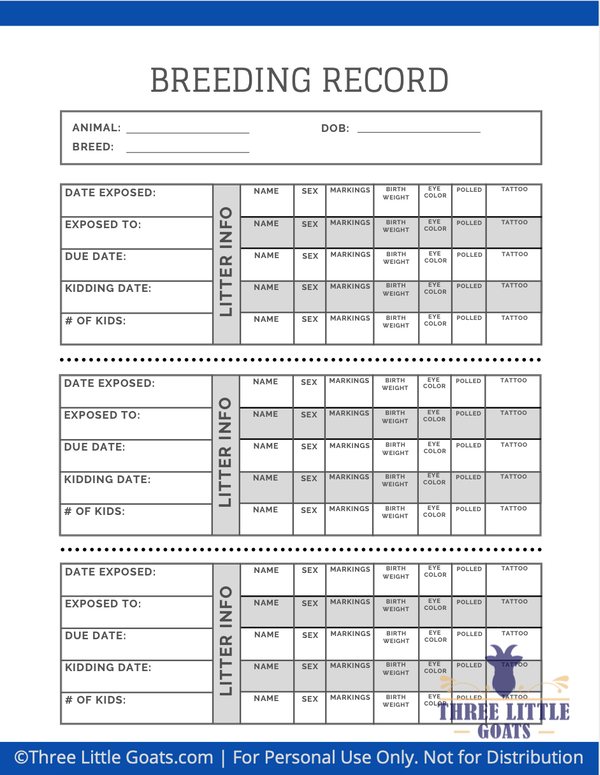
Free Goat Health Printable Three Little Goats

What vaccines do goats need? Stanwood Vets

Common sheep vaccines The Toolbox MLA eLearning

CDT Vaccine Dosage For Goats & How To Administer Justagric
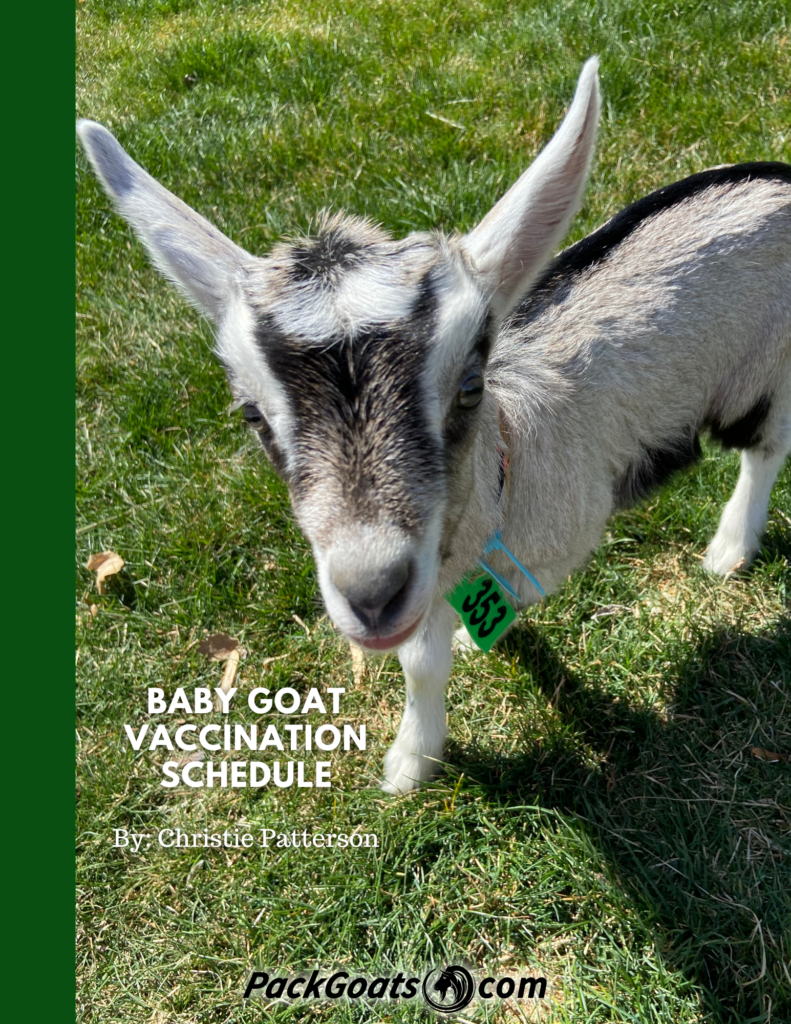
Baby Goat Vaccination Schedule Guide

Printable Goat Vaccination Schedule Chart
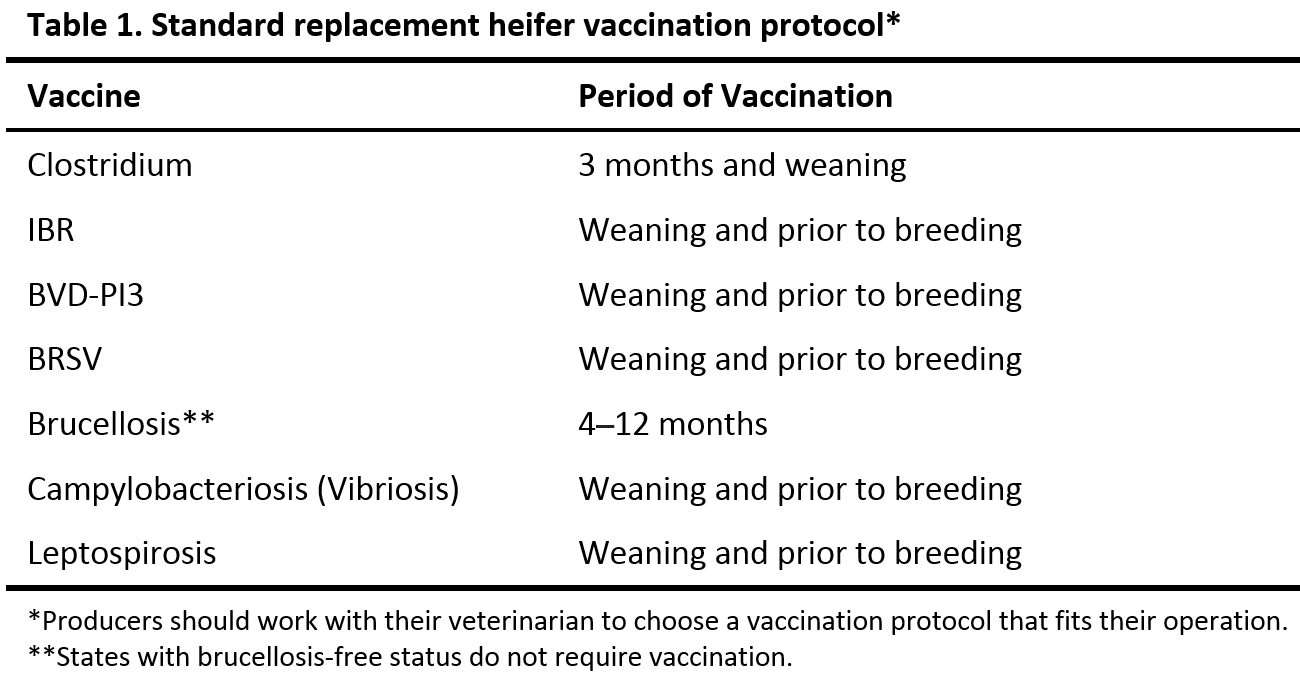
Prebreeding Management for Successful Development of Beef Replacement
Recommended Vaccine And Health Management Schedule For Sheep And Goats.
Internal Parasite Control Is The Cornerstone Of An Effective Goat Health Program.
All Goats Should Be Vaccinated For Tetanus And Clostridium C &D (Enterotoxemia).
Cdt Vaccination Helps To Protect Healthy Sheep And Goats Against Clostridium Perfringens Type C And D (Overeating Disease) And Clostridium Tetani (Tetanus).
Related Post: