
Printable Crop Rotation Chart
Printable Crop Rotation Chart - One approach to crop rotation is to divide your plants into these four basic groups: However, if you have a long enough. Create a new diagram each year and keep records of where you plant your crops. To help you plan your garden, we've created a printable crop rotation chart. Divide your plants into groups related to their nutrient requirements and outputs. When it comes to crop rotation, the general guideline is to plant your roots where you had your fruits, plant your fruits where you had your leafy greens and brassicas, plant brassicas where. Legumes, root crops, fruit crops, and leaf crops. Here are some strategies to help with crop placement. Of raised bed, and the second for a larger one of about 1150 sq. This chart includes some common crops and their corresponding families. Here is a crop rotation chart that may help you plan your vegetable garden. Legumes, root crops, fruit crops, and leaf crops. Follow this guide for an easy transition into the basics of crop rotation. Above all else, crop rotation dramatically reduces the risk of garden plant pests and diseases spreading from one year's batch of crops to the next. Learn how to practice crop rotation to avoid pests, diseases, and soil problems in your garden. Use the handy chart to plan your rotations by plant family and color. Crop rotation is an agricultural practice in which different crops are planted on the same land in a planned sequence. However, if you have a long enough. Rotating crops in the garden not only enhances soil fertility, but it can be effective against insect and disease pests that develop on a narrow range of vegetable plants. This can be applied to any layout. Here is a crop rotation chart that may help you plan your vegetable garden. Divide your plants into groups related to their nutrient requirements and outputs. Create a new diagram each year and keep records of where you plant your crops. Use the handy chart to plan your rotations by plant family and color. Just make sure you follow the. Here are some strategies to help with crop placement. Create a new diagram each year and keep records of where you plant your crops. Develop your crop rotation plan. Crop rotation means moving different crops around the garden in set time intervals. Sweet corn, potatoes, cabbage family, peas, tomatoes, beans, root crops, and squash. Rotating crops in the garden not only enhances soil fertility, but it can be effective against insect and disease pests that develop on a narrow range of vegetable plants. Here are some strategies to help with crop placement. Below, i have provided two rotation plans: Why not print it out and keep it somewhere safe until you need it. Learn. Crop rotation is an agricultural practice in which different crops are planted on the same land in a planned sequence. Just make sure you follow the rule and don't plant each family of plants. Above all else, crop rotation dramatically reduces the risk of garden plant pests and diseases spreading from one year's batch of crops to the next. Here. Follow this guide for an easy transition into the basics of crop rotation. Sweet corn, potatoes, cabbage family, peas, tomatoes, beans, root crops, and squash. Here is a crop rotation chart that may help you plan your vegetable garden. This can be applied to any layout. Divide your plants into groups related to their nutrient requirements and outputs. Learn how to use a crop rotation chart to improve soil health, prevent pests, and maximize yields. One approach to crop rotation is to divide your plants into these four basic groups: Create a new diagram each year and keep records of where you plant your crops. Now that you know the vegetable families, what does a garden rotation look. This can be applied to any layout. Learn how to practice crop rotation to avoid pests, diseases, and soil problems in your garden. Sweet corn, potatoes, cabbage family, peas, tomatoes, beans, root crops, and squash. Here is a crop rotation chart that may help you plan your vegetable garden. Here are some strategies to help with crop placement. To help you plan your garden, we've created a printable crop rotation chart. Develop your crop rotation plan. However, if you have a long enough. Here are some strategies to help with crop placement. Legumes, root crops, fruit crops, and leaf crops. When it comes to crop rotation, the general guideline is to plant your roots where you had your fruits, plant your fruits where you had your leafy greens and brassicas, plant brassicas where. Discover its benefits, examples, and tips for smarter gardening. Just make sure you follow the rule and don't plant each family of plants. Now that you know. This method of growing crops helps improve soil health,. Create a new diagram each year and keep records of where you plant your crops. Imagine your garden separated into four areas, as shown in. Crop rotation means moving different crops around the garden in set time intervals. Learn how to use a crop rotation chart to improve soil health, prevent. Learn how to use a crop rotation chart to improve soil health, prevent pests, and maximize yields. Discover its benefits, examples, and tips for smarter gardening. Divide your plants into groups related to their nutrient requirements and outputs. Create a new diagram each year and keep records of where you plant your crops. One for a small vegetable garden of 200 sq. Here are some strategies to help with crop placement. This chart includes some common crops and their corresponding families. One approach to crop rotation is to divide your plants into these four basic groups: Legumes, root crops, fruit crops, and leaf crops. Follow this guide for an easy transition into the basics of crop rotation. Why not print it out and keep it somewhere safe until you need it. Our downloadable crop planner will help you decide what to do and when in the veg garden. When it comes to crop rotation, the general guideline is to plant your roots where you had your fruits, plant your fruits where you had your leafy greens and brassicas, plant brassicas where. Imagine your garden separated into four areas, as shown in. This can be applied to any layout. Crop rotation is an agricultural practice in which different crops are planted on the same land in a planned sequence.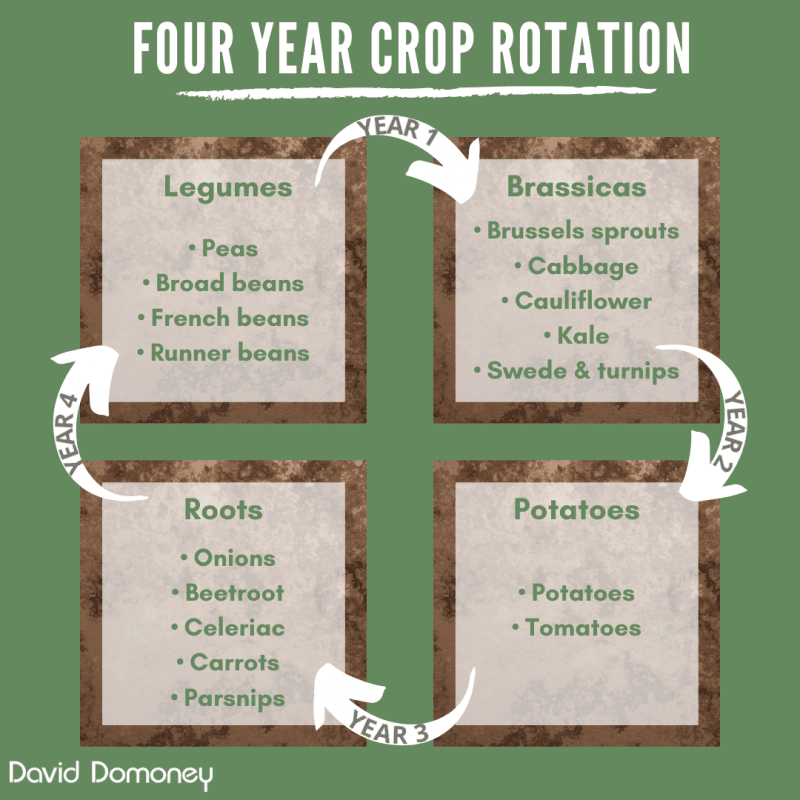
garden rotation chart Planning the garden crop rotation
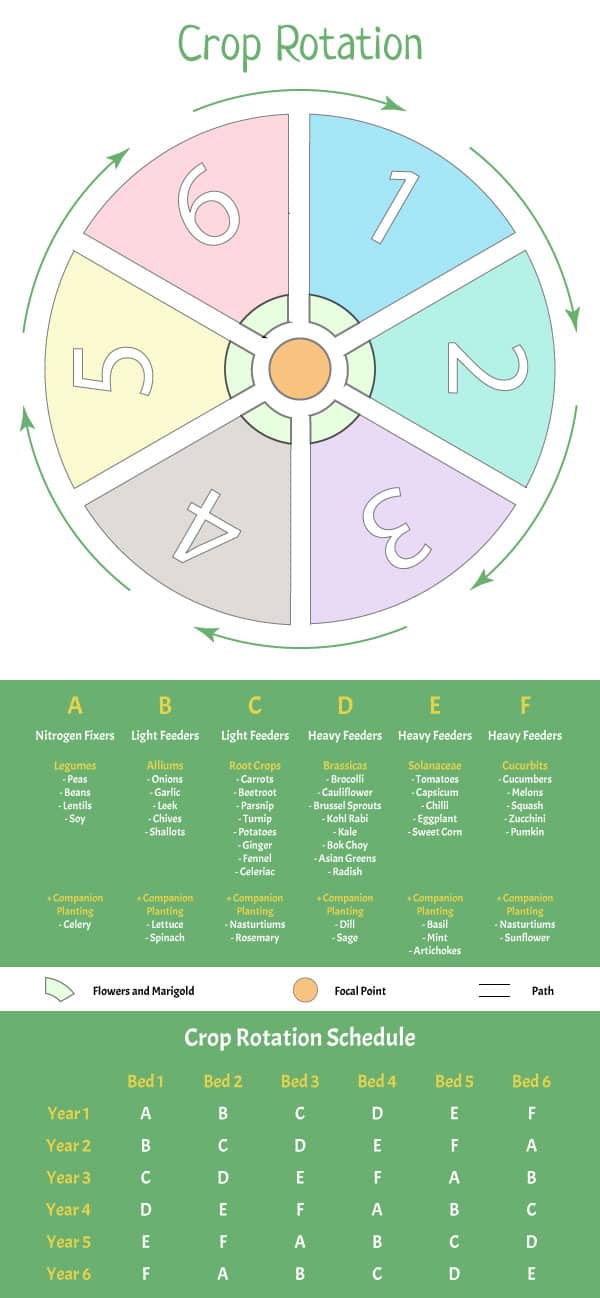
The "How to's" of Crop Rotation, Companion Planting, Vegetable Garden

Printable Crop Rotation Chart Printable And Enjoyable Learning

Crop Rotation Chart Vegetable Garden Planning Made Easy
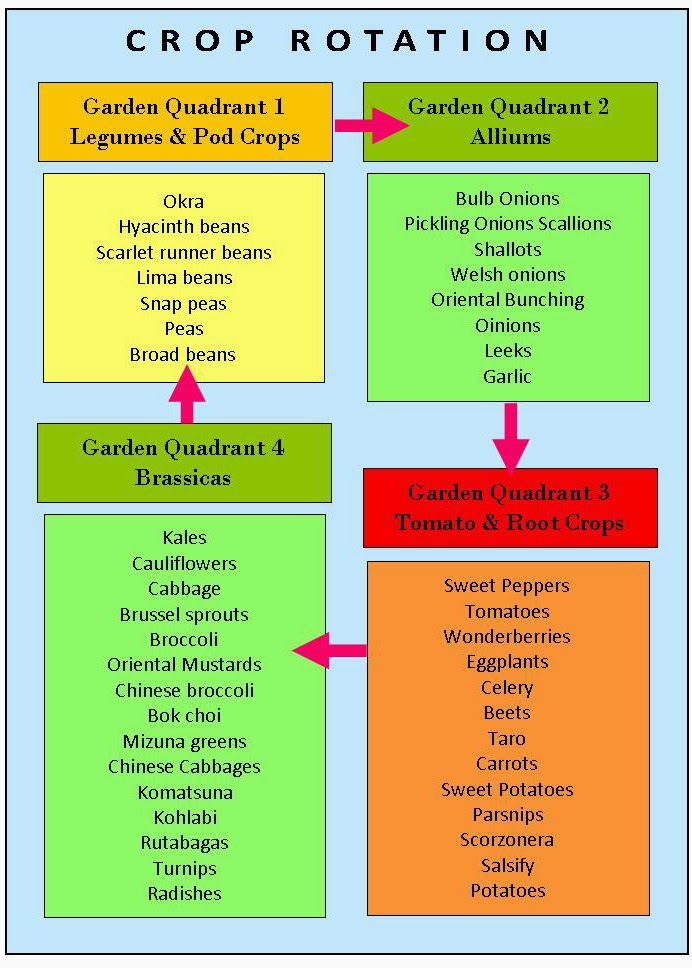
Printable Crop Rotation Chart

Crop Rotation 4 year plan free printable gardening teacher
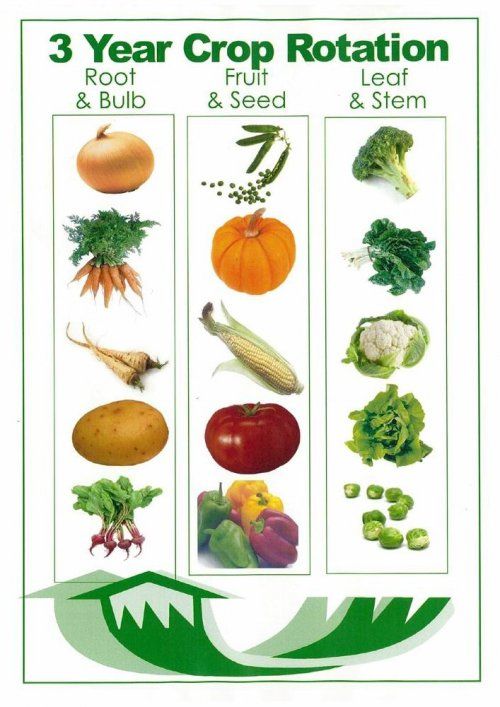
Printable Crop Rotation Chart
Printable Crop Rotation Chart

Printable Crop Rotation Chart Printable And Enjoyable Learning

Printable Crop Rotation Chart
A Common Practice Is To Rotate Crops Yearly.
Rotating Crops In The Garden Not Only Enhances Soil Fertility, But It Can Be Effective Against Insect And Disease Pests That Develop On A Narrow Range Of Vegetable Plants.
However, If You Have A Long Enough.
Learn How To Practice Crop Rotation To Avoid Pests, Diseases, And Soil Problems In Your Garden.
Related Post: